Nasdaq-listed American Battery Technology Company says it achieved its first positive gross margin on US$7.8 million of March-quarter revenue from its Nevada metal recycling facility, with the turnover number up 64% on the previous three months.
ABTC said its $7.1 million cost of goods sold gave it a decent operating margin and left it with $38.5 million net cash in its treasury at the end of March.
“Demonstrating positive gross margin from operations is a major milestone that many growth companies never achieve and allows us to enable self-sustaining operations of our critical mineral recycling facility,” ABTC CEO Ryan Melsert said.
“The gross profit generated by this facility provides additional resources as we continue to scale the operations at this first critical mineral recycling facility, construct and bring to operations our second recycling facility and construct and ramp our critical mineral lithium mine and refinery to support the US establishing dominance with a closed loop domestic critical mineral supply chain.”
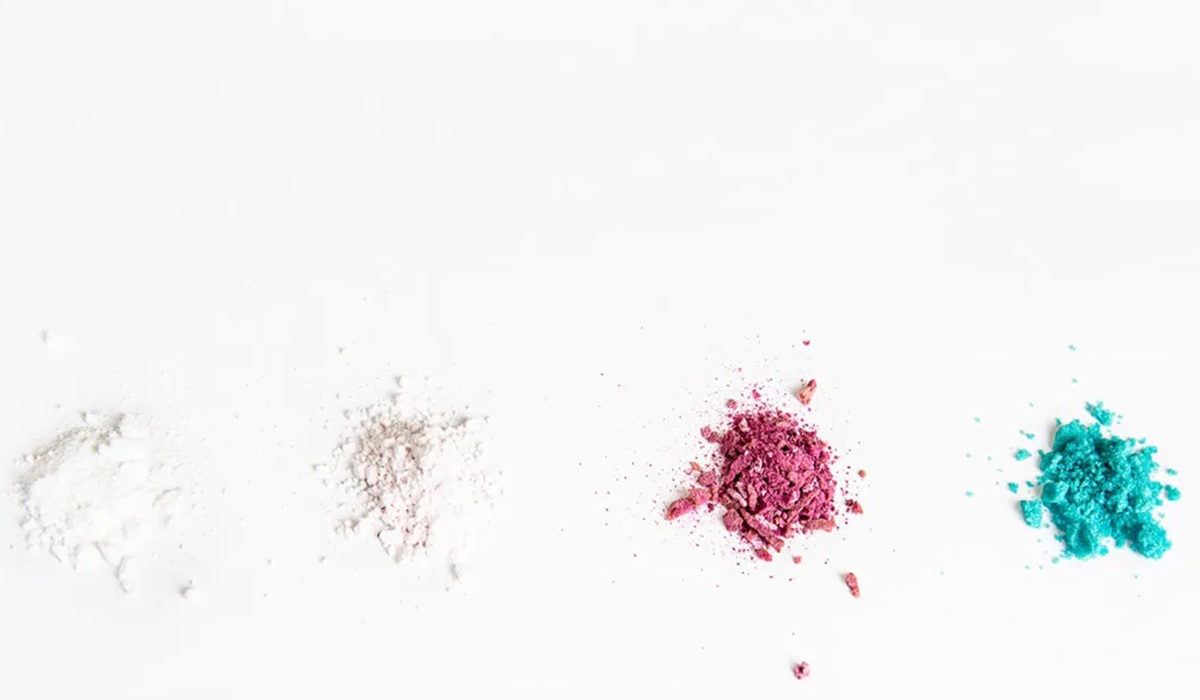
ABTC says it is “de-manufacturing” recycled products from battery energy storage systems, end-of-life electric and hybrid vehicles, and consumer electronics, to produce copper, aluminium, steel, a lithium intermediate and a black mass intermediate material. A secondary hydrometallurgical selective leaching phase further refined lithium intermediate into a battery grade lithium hydroxide, while the black mass material generated battery grade nickel, cobalt, manganese and lithium hydroxide products.
The company provided no details on its “second critical mineral recycling facility in the south-east US”, apparently under development.
It also has the Tonopah Flats lithium project (TFLP) in Nevada, which it describes as “one of the largest lithium deposits in the US”.
“ABTC has successfully advanced its claystone-to-lithium hydroxide demonstration plant and is now focused on scaling through construction of a full-scale commercial mine and refinery,” the company said.
Its October 2025 pre-feasibility study put a $2.57 billion after-tax NPV (8% discount rate) and 21.8% IRR on an operation producing 30,000 tonnes per year of lithium hydroxide monohydrate over 45 years.