The capital cost of Canada’s first new large-scale uranium mine in a decade has climbed by more than 40% since its 2023 feasibility study was put out by Denison Mines Corp, which says the escalation is more like 20% in 2026 Canadian dollars.
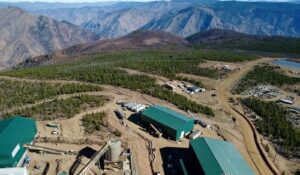
Denison says it is targeting mid-2028 for first production from the proposed Phoenix in-situ recovery (ISR) uranium mine at Wheeler River in northern Saskatchewan’s Athabasca Basin.
“Significant regulatory, engineering and construction planning progress has been made throughout 2025, which has positioned Phoenix in a construction-ready state, including confirmation of an expected two-year construction timeline,” the company said.
It was counting on receipt of final regulatory approvals in the current quarter to start construction.
Denison said Phoenix’s C$419 million 2023 FS capex was about $500 million now. Its updated initial capital cost estimate for the project was $600 million.
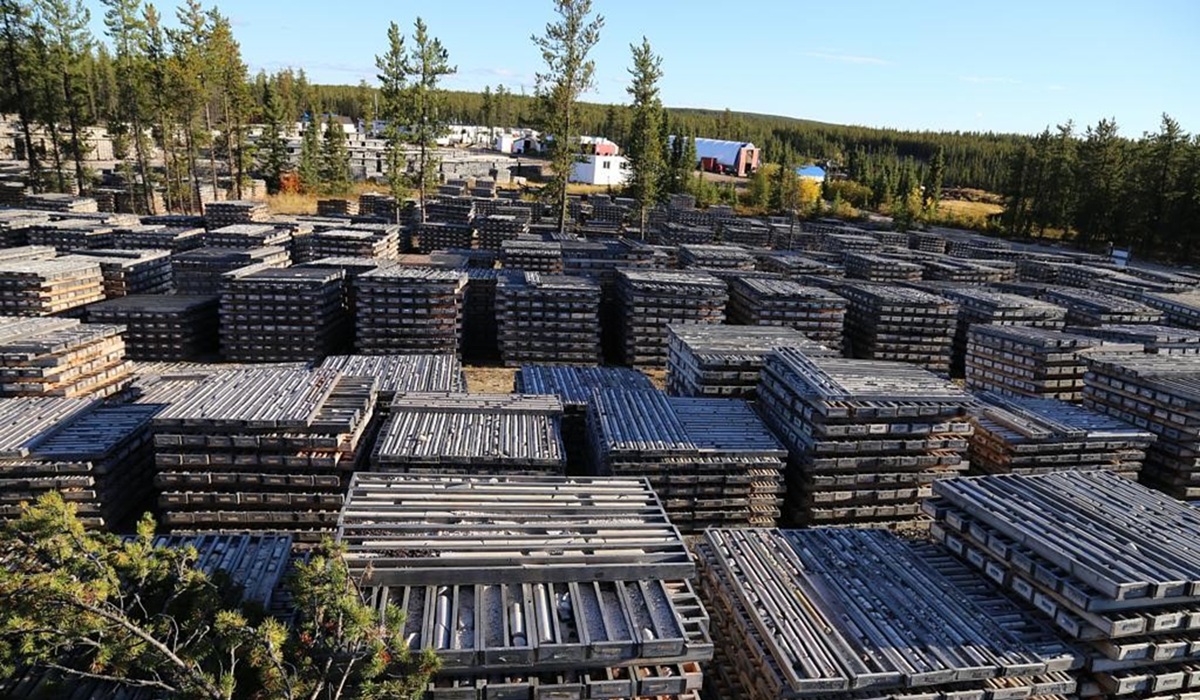
Wheeler River’s high-grade Phoenix and Gryphon uranium deposits, discovered by Denison in 2008 and 2014, respectively, are owned 90% by the 71-year-old Canadian company and 10% by JCU (Canada) Exploration Company (half-owned by Denison).
Denison CEO David Cates said the start of Phoenix would “mark the beginning of a new era in our company’s long history”.
“Owing to years of work de-risking and advancing Phoenix the project is now ready to become the first new large-scale uranium mine built in Canada since Cigar Lake, with first production expected by mid-2028.
“This timeline means that Phoenix, as one of only a few notable new sources of uranium production expected before the end of the decade, is positioned to benefit from an anticipated acceleration in uranium demand based on increasingly widespread global adoption of nuclear energy and support Canada’s objective to develop sustainable and environmentally responsible nation building mining projects to reinvigorate Canada’s natural resources sector.”
Denison said about 75% of equipment and materials costs in its updated capex estimated were supported by committed contracts or bid evaluations in progress, while about half of projected construction costs were supported by bids under evaluation or in final contract negotiation.
The company said a key change from 2023 was the planned use of large diameter wells across its planned phase-one mining area, rather than 50% of the area, to enable each well to act as an injection or recovery well. Previous small-diameter well plans would have allowed for injection only in half the wellfield.
“While this modification increases initial capital costs it is expected to improve the operational flexibility of the wellfield, optimise rates of recoveries and support achievement of the 2023 Phoenix FS production targets,” Denison said.