The CEO of Australian start-up Loop Hydrometallurgy says its revolutionary Halion Loop process can be commercially producing copper within two years after unveiling the technology today at Sydney’s Macquarie University.
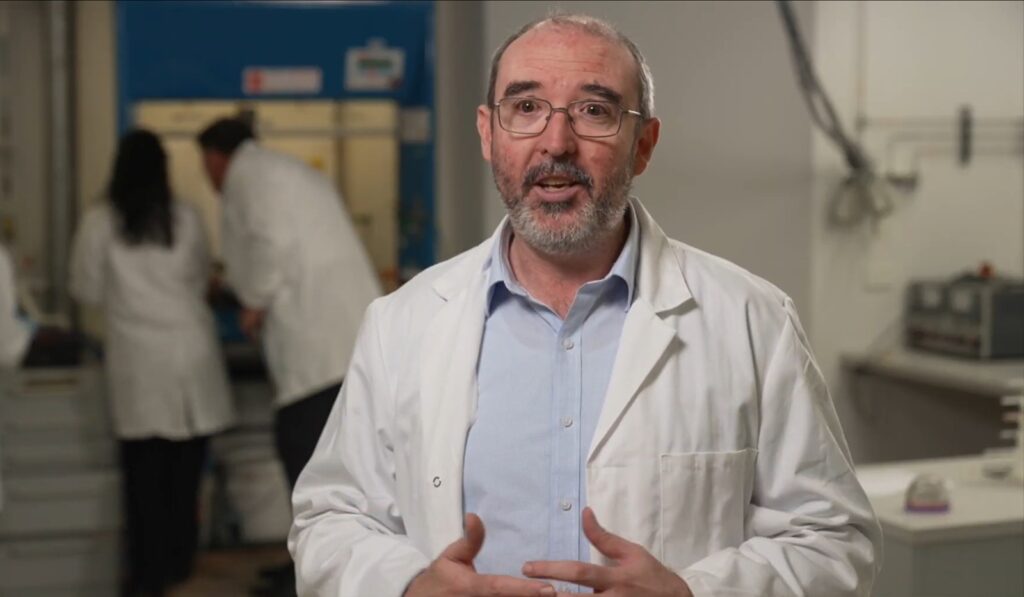
“Our vision for the Halion Loop is an industry transformed, revolutionising global copper production,” said founder, industrial chemist Dave Sammut, who has been working on the technology for more than 30 years.
Based at the university where the technology was conceived, Loop Hydrometallurgy says it can produce about 20kg of copper per day via its current pilot cell prototype. It has plans to scale up to two tonnes per day per commercial cell.
“We expect to be commercially producing copper by the beginning of 2028,” Sammut said.
He said the extraction of minerals using halide liquors had been thoroughly examined and proven to offer cost and environmental advantages. The Halion Loop employed mixed halides to extract copper, nickel, cobalt, lead, zinc, silver, gold, rare earth elements and other metals from a range of concentrates, tailings and industrial waste materials. It operated at atmospheric pressure and less than 100C, with no noxious gas emissions and no liquid effluents.
Sammut described current copper smelting methods as “bronze-age technology” and said the conventional copper extraction chain involving three main industrial steps had loads of concentrate transported over thousands of kilometres and up to 90% of material being discarded as waste.
Loop Hydrometallurgy’s technology leached, purified and recovered copper directly using up to 70% less power than current methods.
“We use simple salt water at less than 100C with no noxious gas emissions and no liquid effluents and we do it at the mine site,” Sammut said. His modelling suggested the Halion Loop could cut the net carbon footprint of copper production by up to 80%. “Saving energy – while extracting high volumes of copper – is our secret sauce. We’ve developed the hardware that can directly pull metals back into high-purity forms without having to convert them or use additional chemistry.”
Loop Hydrometallurgy commercial director, co-founder Heath Warman, said the technology could be an economic gamechanger for the industry.
“The miners are going to save a lot of money. We estimate that a typical Australian mine could reduce operating costs by 30-to-40%,” he said.
“Governments will also benefit through significantly increased royalties because mines will be producing value-added final product in Australia instead of shipping that value overseas.”