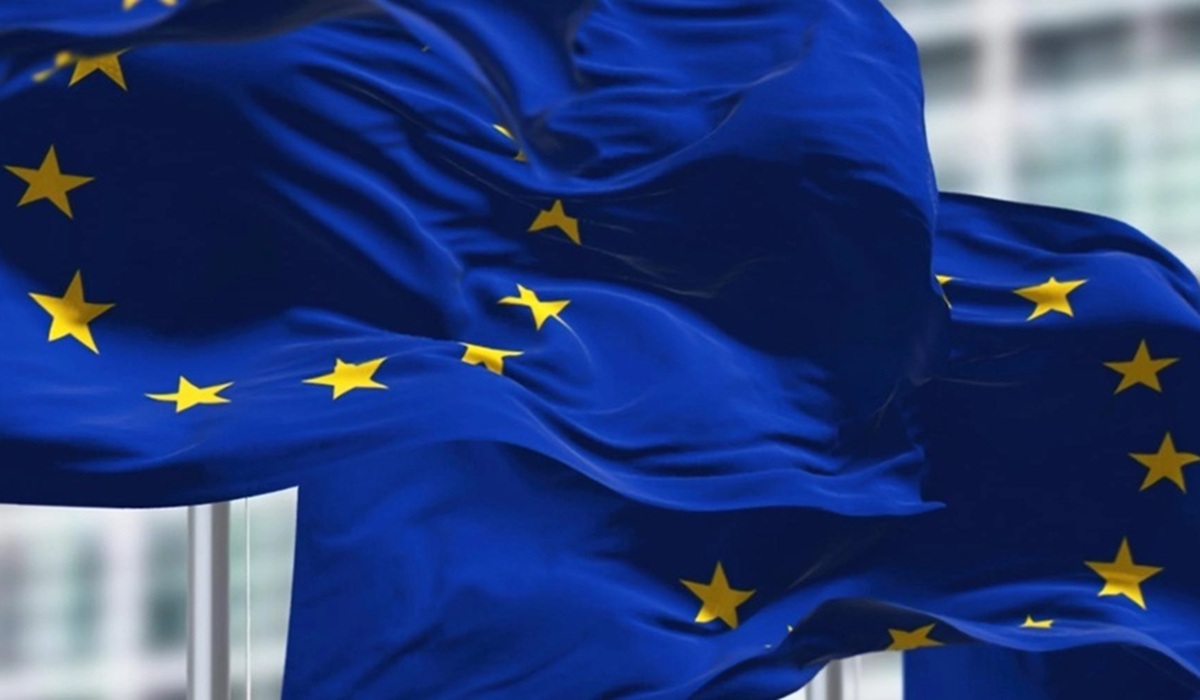
The European Union (EU) has selected 47 strategic mineral projects from more than 170 applications in its first list of priority targets that could help build a stronger regional raw materials and midstream metals supply base.
Twenty-five proposed mines, 24 planned mineral processing ventures, 10 recycling initiatives and two raw-material substitution developments requiring about €22.5 billion of investment to move forward are among projects identified for faster permitting and potential financial assistance, including circa-€2 billion of loans and guarantees. Fourteen of the EU’s 17 listed “strategic” raw materials are covered by projects on the list, including lithium (22 projects), nickel (12), graphite (11), cobalt (10) and manganese (7).
“These projects will ensure that the EU can fully meet its extraction, processing and recycling 2030 benchmarks for lithium and cobalt, while making substantial progress for graphite, nickel and manganese,” the European Commission said. “Moreover, other strategic projects involving magnesium [one project) and tungsten [3] will contribute to the resilience of the EU’s defence industry, which relies on the use of these materials.”
The projects are spread across Belgium, France, Italy, Germany, Spain, Estonia, Czechia, Greece, Sweden, Finland, Portugal, Poland and Romania. The EU claims new mines will take a maximum of 27 months to permit; processing and recycling projects, 15 months. Permitting processes can currently take five-to-10 years, the EU says.
Dirk Harbecke, CEO of Canada’s Rock Tech Lithium, said being included on the EU strategic projects list affirmed the strategic value of the company’s proposed Guben lithium hydroxide converter project in Germany. It wants to produce 24,000 tonnes per annum of battery-grade product. “We are honoured to be recognised as a strategic project by the European Commission and remain fully committed to advancing a secure, sustainable and independent lithium supply for Europe,” Harbecke said.
European Metals Holdings executive chairman Keith Coughlan said recognition of the company’s 49%-owned proposed Cinovec lithium project in Czechia under the EU Critical Raw Materials Act (CRMA) strategic project banner was a “significant milestone in the development of the project”.
“We recently announced the formal declaration of Cinovec as a strategic deposit by the Czech government and this escalating formal support for the project provides greater confidence in the future permitting and financing,” he said.
“It brings the production of battery grade lithium chemicals from Cinovec one big step closer to fruition.”
European Metals and 51% partner CEZ are aiming to complete Cinovec’s definitive feasibility study in mid-2025, with an environmental impact assessment to be completed and submitted for approval by the end of 2025. European Metals said the Czech Government “must now agree on a binding permitting schedule within the time frames set by the CRMA” on submission of correct documentation.
“Lithium is a strategic raw material that the Czech Republic needs to meet its ambitious goals for raw material and energy security, the development of the automotive industry and the ongoing transition of coal regions into modern energy centres,” CEZ deputy chairman Pavel Cyrani said.
“The project for production of Czech lithium is one of the most important transition projects in the Usti nad Labem Region. We expect that it will bring approximately 1800 jobs, which will be available, among others, to employees of the coal-fired power plants and mines that will be closing.”