Electric Metals USA says an ore sorting simulation by Rados International Technologies indicated material from its proposed large-scale North Star manganese project in Minnesota, USA, could be significantly upgraded before downstream processing to cut waste generation and potentially project capital spending.
The company is evaluating sensor-based pre-concentration technologies it sees as capable of upgrading ore feed grade, reducing downstream processing costs, improving project economics and enhancing utilisation of mineralised material.
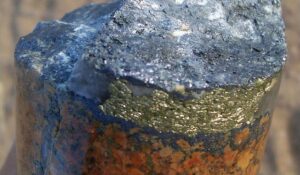
Electric Metals CEO Brian Savage said drill core data from the company’s Emily manganese deposit was used in the testwork, which showed particle-scale ore sorting upgraded circa-8.2% manganese to about 17.5% while recovering 92% of the contained manganese.
“These results demonstrate that ore sorting has the potential to be a significant value-enhancing technology for the Emily manganese deposit,” Savage said. He said more than half the material fed to the sorter could be rejected. “The work demonstrates that material previously below our 10% cut-off grade could be upgraded to the same grade contemplated in our current development plan for the Emily deposit, highlighting the potential for ore sorting to turn sub-cut-off mineralisation into economic ore, subject to further economic evaluation.”
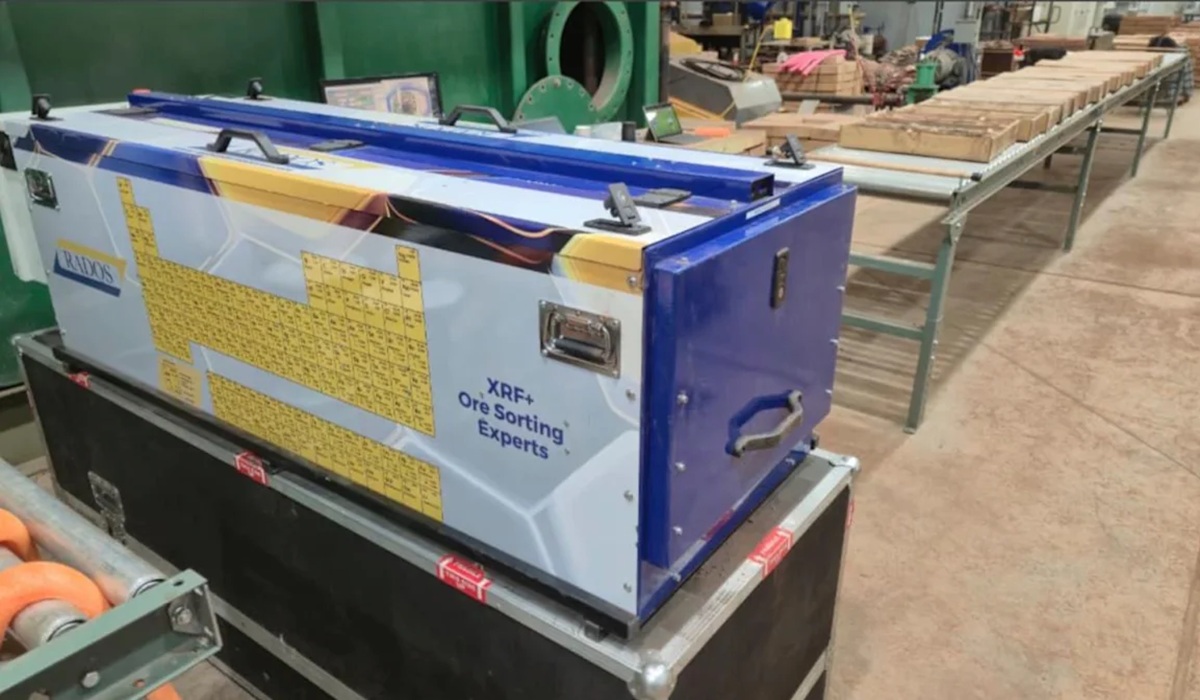
Rados used an XRF drill core analyser to scan about 1280m of drill core and generate more than 132,000 high-resolution XRF measurements.
It calibrated the dataset against laboratory assays before simulating the performance of XRF-based ore sorting under a range of operating scenarios. Emily manganese had the grade variability and geological characteristics for successful sensor-based ore sorting, it said.
Savage said results would be included in ongoing engineering and economic studies.
Importantly, the results suggested ore sorting could provide a pathway to economically extract parts of the deposit that would otherwise be difficult to process efficiently.
“If confirmed through future physical test work, engineering studies and economic evaluations this could materially enhance project economics and improve resource utilisation,” he said.