A keynote speaker at this week’s AusIMM Iron Ore and Open Pit Operators Conference 2026 says a lot of mining technology deployments continue to stall because organisations do not build internal structures to absorb them.
Doug Bester, Sentient Computing managing director and founder, says miners have run countless technology pilots over the past decade. They tended to “impress in a boardroom and then quietly disappear between budget cycles and department restructures”.
Repeated deployment failures somewhere in the gap between pilots and production could be due to the industry’s long procurement cycles, IT reluctance and governance, movement of operational champions and cultural readiness, or lack thereof, to give workers access to developing technology on site.
For technology developers and suppliers, “digital resilience is not about having the best technology”, says Bester.
“It is about being agile enough to adopt, adapt and survive technology cycles.”
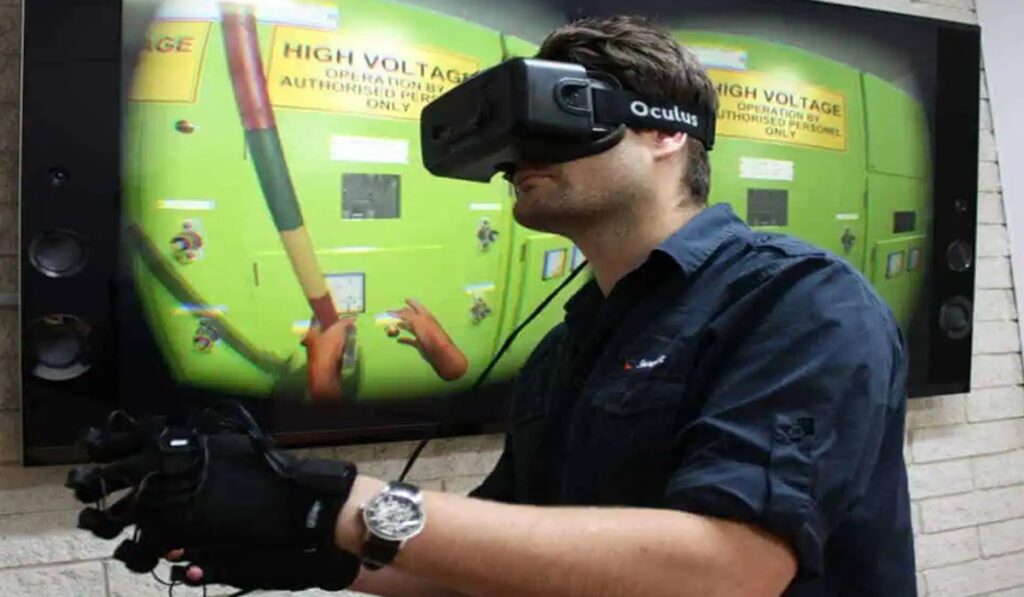
Perth-based Bester’s Sentient has spent nearly two decades deploying virtual reality training systems, industrial digital twins and extended reality, or XR, simulations with mining heavyweights such as Rio Tinto, Fortescue and BHP.
He says technology has changed dramatically in that time but organisational conditions required to operationalise it have not.
“What separates the companies that have scaled immersive technology from those still running pilots is not budget or vendor selection,” Bester says.
“It is the deliberate investment in the internal capability to adopt and sustain through technology cycles. That means procurement teams that understand what they are buying, IT engaged early and operational leaders willing to back the change with their own credibility.
“Without those conditions even the best technology becomes shelf-ware.”
Bester believes heavy industries such as mining and energy have arrived at a “genuine inflection point”.
“AI, real-time digital twins, immersive VR training, remote simulation and planning environments are now mature enough to deploy at scale,” he says.
“The cost of getting this wrong has also risen. Site complexity, onboarding risk and operational pressure mean workers need to be familiar with environments before they arrive. That is no longer optional.
“At the same time, procurement complexity, cyber risk and pressure to demonstrate ROI quickly have made it harder to move from trial to enterprise rollout.
“The gap has widened precisely as the urgency to close it has grown.”