In a deal that underlines the growing boundaries of “urban mining” production offtake, US-based Bridge Green Upcycle (BGU) has engaged energy and commodities trader Hartree Partners in an initial eight-year lithium carbonate supply arrangement that could be worth more than US$500 million.
Hartree, like BGU based in New York, has signed on for circa-10,000 tonnes per annum of material from the recycler’s proposed plants in the US and India. Initial volumes are expected to be supplied in 2028.
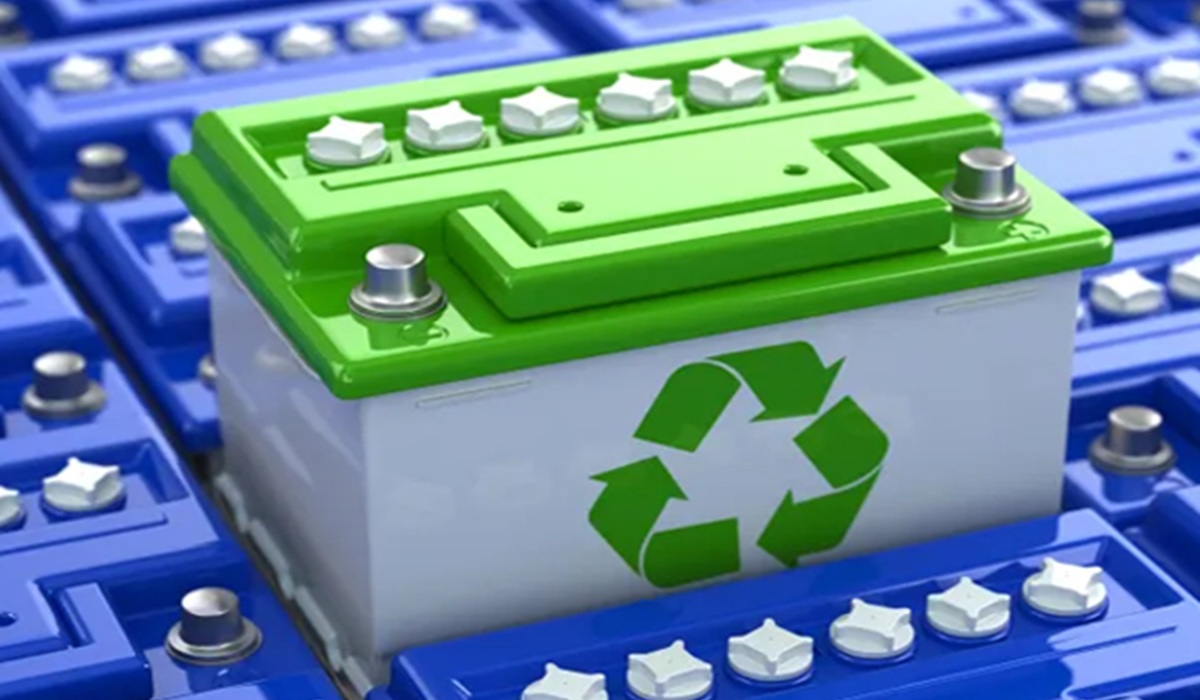
BGU describes itself as “an urban mining company recovering critical materials from end-of-life and scrap lithium-ion batteries”. It claims to use “cutting-edge technology [to] extract high-purity precursor materials from both ternary and LFP batteries”.
“We’ve pioneered a novel approach that fuses advanced mechanochemistry with conventional hydrometallurgy, enabling the efficient conversion of high-grade black mass into precursor materials.”
A spokesperson called the offtake deal “transformational”.
“This milestone is further strengthened by Hartree’s equity investment in our bridge financing round, which will support the planned expansion of our battery recycling and critical mineral refining capabilities, alongside a working capital facility of up to $150 million to support our operations.
“We are incredibly grateful to Hartree for their trust and confidence in our technology, our business model and our vision for a more circular future. We look forward to working together to advance circularity across critical mineral supply chains and help build a more resilient, sustainable lithium economy.”
Founded in 2023 by serial company starter Balakrishnan Iyer, BGU plans to use proceeds from an upcoming series A funding round to establish integrated commercial refining facilities in the US and India, with Hartree serving as the downstream marketing channel as they come online.
Hartree is owned by management and Oaktree Capital Management.
Its head of battery and critical minerals Landon Berns said critical minerals were a key pillar of Hartree’s growth strategy. “Securing domestic supply and returning recovered materials to productive use are core parts of our approach,” he said.