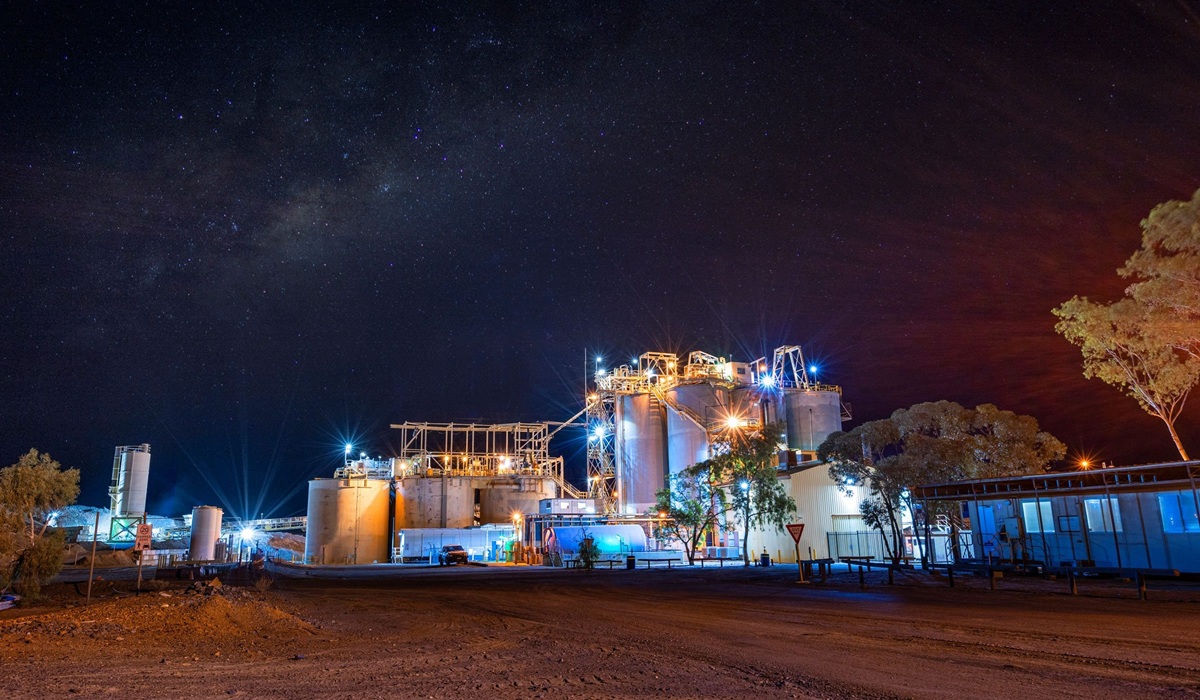
A gathering of Western Australian gold companies has heard a growing backlog of new processing plant builds could further jack up rising costs and delivery timelines, forcing some to look elsewhere for investment opportunities.
Investment firm Shaw and Partners hosted 15 gold explorers, developers and producers, including leading WA consolidator Ramelius Resources and a rising star of the WA gold patch, Benz Mining.
“Speakers noted the elevated gold price combined with ongoing exploration continues to grow industry resource ounces, with a resulting debate on how best to access mill capacity,” Shaw analysts reported.
“The growing pipeline of WA gold plants could potentially increase construction capex and timeframes.
“Alternative options include capital-light ore tolling arrangements or investment in projects with perceived jurisdictional and regulatory risks”
Shaw said multiple speakers highlighted increasing plant construction delays and rising inflation and noted that anecdotally, an additional circa-six months and more than 30% higher capex had been added to construction estimates over the past year.
“Some see risk that this could extend over the next 12-24 months and we expect these project delays and cost overruns are not yet fully priced in by investors.
“That said we note project economics remain strongly supportive in most cases.”
Shaw analysts said the relative prevalence of in-ground gold versus processing capacity could increasingly prompt larger plant constructions. Falling deposit grades could also push plant capacities higher.
“Incrementally larger processing plants can often have comparable technical and project risks,” they said.
“Also, a higher gold price can allow reduced cut-off grades, for potentially larger but overall lower-grade deposits. Such project economics could favour larger, lower unit-cost operations.
“Some companies expect to achieve greater project scale through staged expansion of processing capacity. This could help manage risk and attract project funding.
“We expect that falling deposit grades could incrementally push plant capacities higher. This could potentially see the WA goldfields increasingly trend to regional hub-and-spoke models with larger centralised processing capacities.”
An “investment tilt to new jurisdictions” is an interesting proposition given the general global gold sector capital flow back to established countries and regions in recent years.
“We note the attraction of WA gold investment is based on a history of successful project delivery,” Shaw said.