Moon River Moly says it will move into pre-feasibility mode at Davidson in British Columbia in the first half of next year after an updated preliminary economic assessment of a proposed US$535 million molybdenum-copper-tungsten project identified a key economic boost.
The Canadian junior said a switch from gravity to flotation concentration increased projected tungsten recovery by 350% from its proposed 3.65 million tonnes per annum processing plant – potentially all located underground – from which it wants to produce circa-6020tpa of molybdenum, 680tpa of copper and 686tpa of tungsten over 20 years. The processing plant is expected to have recovery rates above 94% for molybdenum, 52% for copper and 53% for tungsten.
“A key contributor to the improved economics in the updated PEA is the 350% increase in tungsten recovery, reflecting the use of flotation instead of gravity as the recovery method,” said Moon River chair Ian McDonald.
“This improvement in tungsten recovery helped lower the AISC to produce one pound of molybdenum to US$4.36 per pound, net of co-product metal credits.”
Moon River is using a measured and indicated resource of 80.75 million tonnes grading an average 0.304% molybdenum disulfide, 0.037% copper and 0.036% tungsten, at a 0.22% MoS2 cut-off grade, and average long-term metal prices of US$5160/t for moly, US$10,250/t for copper and US$953 per metric tonne unit for tungsten.
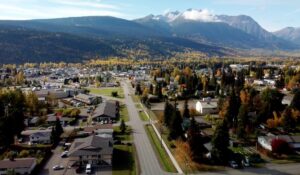
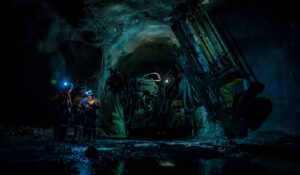
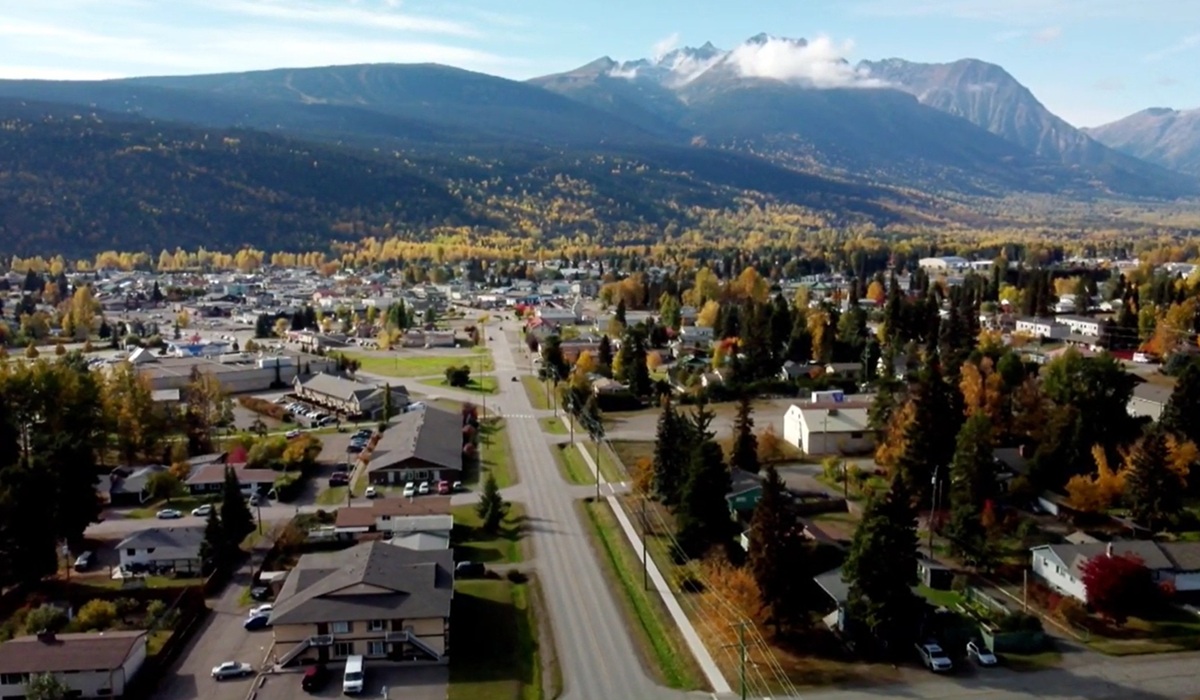
It thinks it can produce moly at $1308/t all-in sustaining cost net of copper and tungsten credits, with underground long-hole stoping off decline access from the side of Hudson Bay Mountain, near the town of Smithers, and the proposed underground processing facility. All up it plans to do about 37,000m of pre-production underground development.
Cemented paste backfill would be used to “maximise recovery of potentially economic mineralisation”. Moon River is factoring in dilution of 5%. “The mine would produce 10,000 tonnes per day of potentially economic mineralisation,” it says. “The mineralised zone geometry is highly amenable to bulk mining of large tonnage stopes with inherent economies of scale and low mining costs. The stopes will be approximately 160,000 tonnes each.”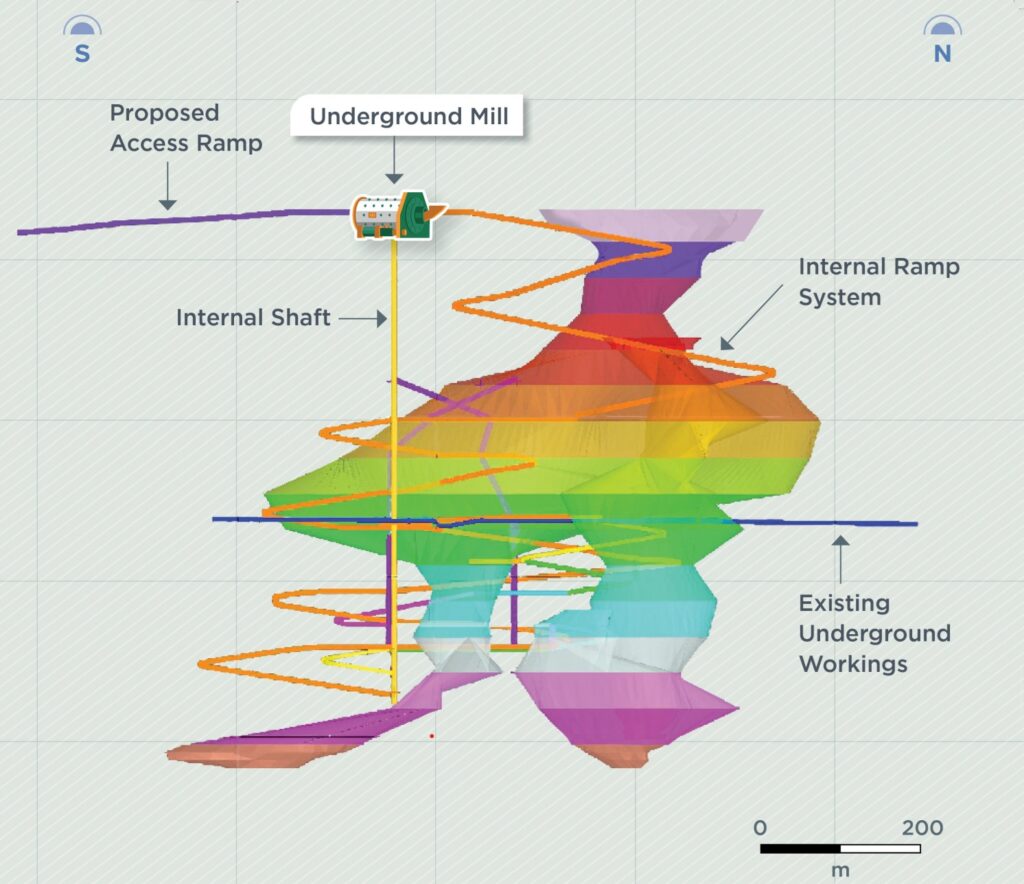
Moon River is also investigating battery-powered and automated underground equipment. It thinks the mine can have a full-time operational workforce of 256 people.
Its proposed processing plant would be “arranged to fit in two long rooms”.
“In the main room the grinding mills will be located at one end, with grinding cyclone overflow gravitating to molybdenum rougher flotation and subsequently through pyrite flotation and tungsten rougher flotation.
“The tungsten cleaner flotation and concentrate dewatering circuits will be situated alongside the tungsten rougher flotation cells in the main room, while the molybdenum cleaner flotation and concentrate dewatering along with the byproduct copper circuit will be arranged in the second room.
“The second room will also be used for staging of the three flotation concentrates for periodic transport to surface in preparation for final shipment.
“The construction cost of an underground plant is not significantly different from that for a plant located on surface.”
Moon River says an underground plant eliminates having to move mineralised material from the underground to a surface processing plant 8km away.
“This also eliminates the need for a source of backfill material from surface,” it says.
“The mill tailings will provide a ready source of material for backfilling mined areas and significantly reduces the size of the tailings management facility on surface.
“Additionally, the incorporation of dry stacked tailings eliminates the need for a traditional wet tailings facility.”
Moon River has a current market value of about C$28 million.
Hudson Bay Mountain is a BC tourist hot spot and Smithers a town with an alpine-themed main street that was called the “11th happiest place in Canada” in 2017.