Another US$500 million of US public funding is being directed at projects that can help the country onshore and reshore vehicle and energy storage battery supply chains.
Lilac Solutions, Jervois Global, Nth Cycle, Princeton NuEnergy, Arcanum Ventures, Elevated Materials and Coreshell Technologies are getting $50-to-100 million of Department of Energy grants.
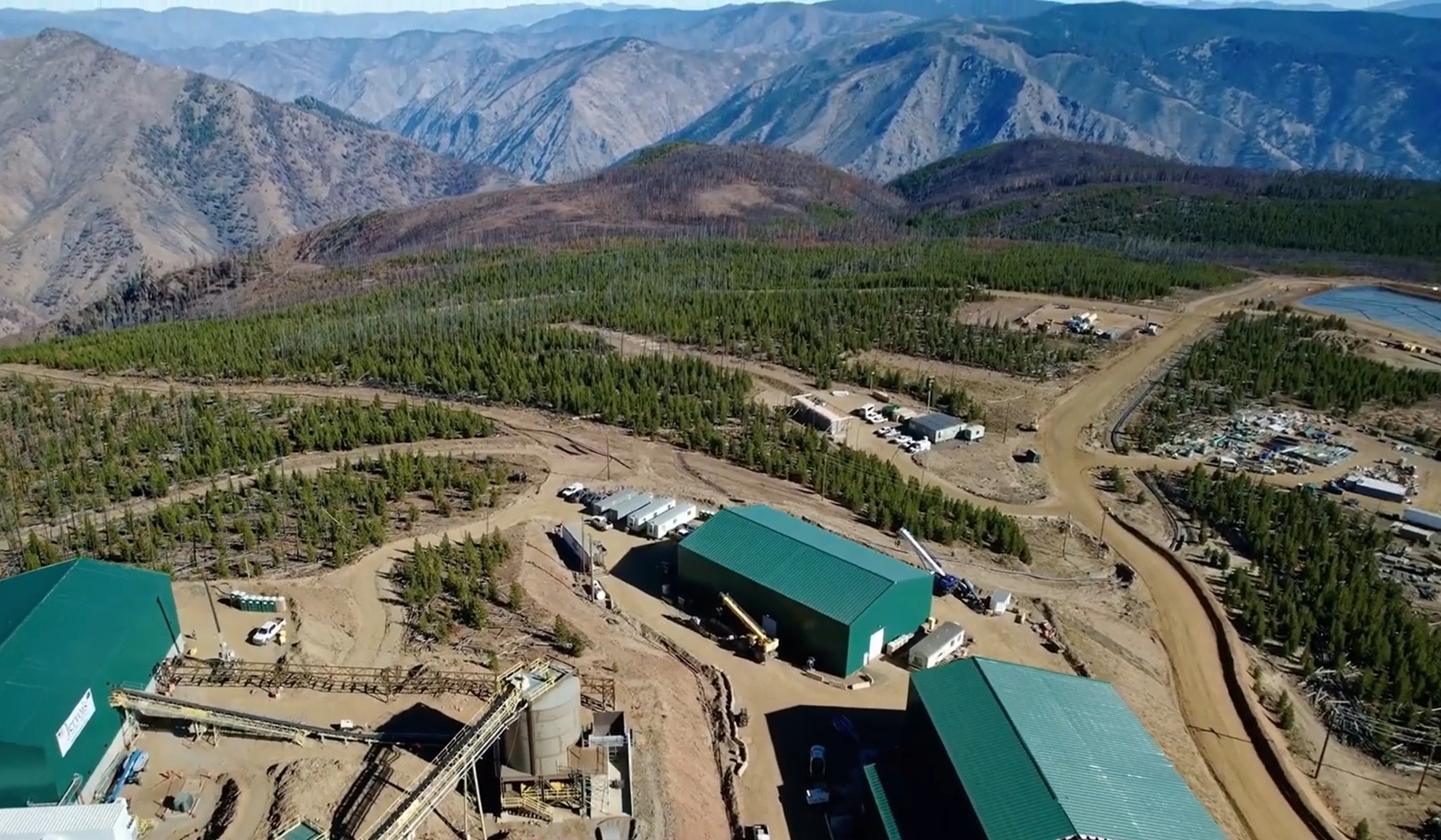
Jervois, owned by Boston-based Millstreet Capital Management, aims to build a conventional cobalt refinery to produce up to 6000 tonnes a year of battery-grade cobalt sulphate. It has a cobalt mine in Idaho in mothballs following the collapse of predecessor Jervois Mining in 2025. It also has a nickel-cobalt refinery in Brazil tracking toward a production restart. Jervois is getting $100 million of taxpayer funding.
Lilac has raised more than $300 million of private funding to advance direct lithium extraction ventures, including on Utah’s Great Salt Lake. It also has $100 million of DoE backing to support construction of its phase-one Great Salt Lake project, where it aims to produce circa-5000tpa of lithium carbonate by 2028. Phase two would take this to 20,000tpa.
Hatch and JordProxa are contracted to deliver its plant, designed around Lilac’s Gen 5 ion exchange (IX) technology.
“The Department of Energy’s support for this project underscores how important domestic lithium production is to the country’s energy and industrial future,” Lilac CEO Raef Sully said.
“This selection reflects the commercial readiness of our project, technology and team and this grant will help bring a significant new domestic lithium source online in the near term.”
Massachusetts-based Nth Cycle has also raised private funding – c$65 million since its 2017 founding – and recently paved the way for a New York Stock Exchange listing with its Kensington Capital Acquisition Corp SPAC deal. The DoE’s $100 million is earmarked for Nth Cycle’s application of its proprietary Oyster electroextraction technology to refine black mass from spent lithium-ion batteries for new high-purity metals and battery-grade materials.
Princeton NuEnergy, spun out from Princeton University in 2019, is trying to scale its patented low-temperature plasma-assisted separation process for direct recycling of spent lithium-ion batteries. DoE funding to the tune of $50 million will help.
Ditto for Texas-based Arcanum Infrastructure, looking to build a commercial-scale US facility for production of battery-grade ethylene carbonate, a critical solvent used in lithium-ion battery electrolytes.
Coreshell says it produces the “lowest cost high-performance silicon anodes on Earth”.
“Coreshell’s proprietary technology unlocks the performance of metallurgical silicon, which has ten-times the capacity than current battery anodes at significantly lower costs,” the California company claims.