Australian mining software company MaxMine says its new predictive fleet allocation tool helps mine dispatchers predict haul circuit activity and make more informed decisions before potential disruptions occur. Its announcement follows BHP’s public unveiling of its Future Run Visualiser software at IMARC 2026.
The Sydney event heard FRV filled a gap in planning and scheduling software tools BHP Iron Ore teams had at their disposal.
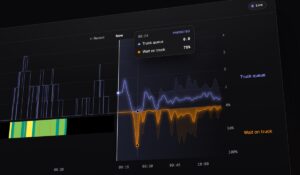
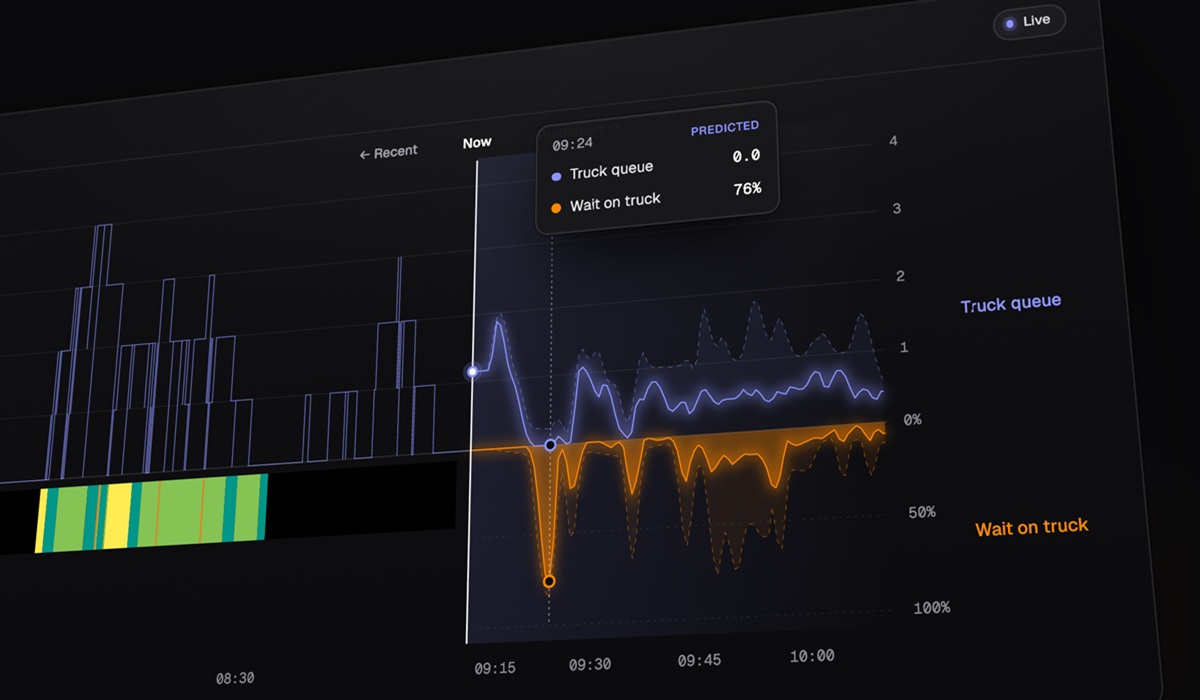
MaxMine says the addition to its mine fleet management platform combined real-time operational visibility with predictive modelling to show dispatchers where truck queues, congestion and gaps in production were likely to emerge up to 40 minutes ahead, keeping trucks moving and loading equipment productive.
It said the capability was piloted at customer sites in Western Australia and Queensland, “with early feedback prompting MaxMine to accelerate its development roadmap and launch Fleet Allocation to market”.
“Fleet allocation is a bit like air traffic control for mining trucks,” MaxMine chief product officer Ben Chartier said.
“You need to know where everything is, where it’s going and how the decisions you make now will affect the rest of the operation. Dispatchers know their operations. This tool gives them better information to work with so they can see what’s coming and make better use of the equipment they already have.”
MaxMine said its prediction engine used mathematical and statistical modelling of loading, transit and dumping times, drawing on its detailed classification of haulage cycle equipment activity. The system updated every 10 seconds, using real-time and historical operational data to model how individual haul circuits were likely to evolve, including where trucks might bunch together, queues could form and gaps in truck arrivals could leave loading equipment idle.
The firm said a dynamic map automatically built a road network from the previous truck movements and updated as the operation changes, giving dispatchers a “continuously evolving view of the mine without requiring them to manually redraw haul routes”.
Chartier said predictive technology could play a bigger role in unlocking productivity in day-to-day mine operations. “The interesting thing is how quickly dispatchers start to trust the predictions. They can see what’s being forecast, watch what happens in the circuit and start to understand how the decisions they’re making affect the outcome,” he said.
“We’re building the technology alongside the people who use it every day and their feedback is helping us develop it much faster. Ultimately it’s about giving them the tools to make better decisions on every shift.”